

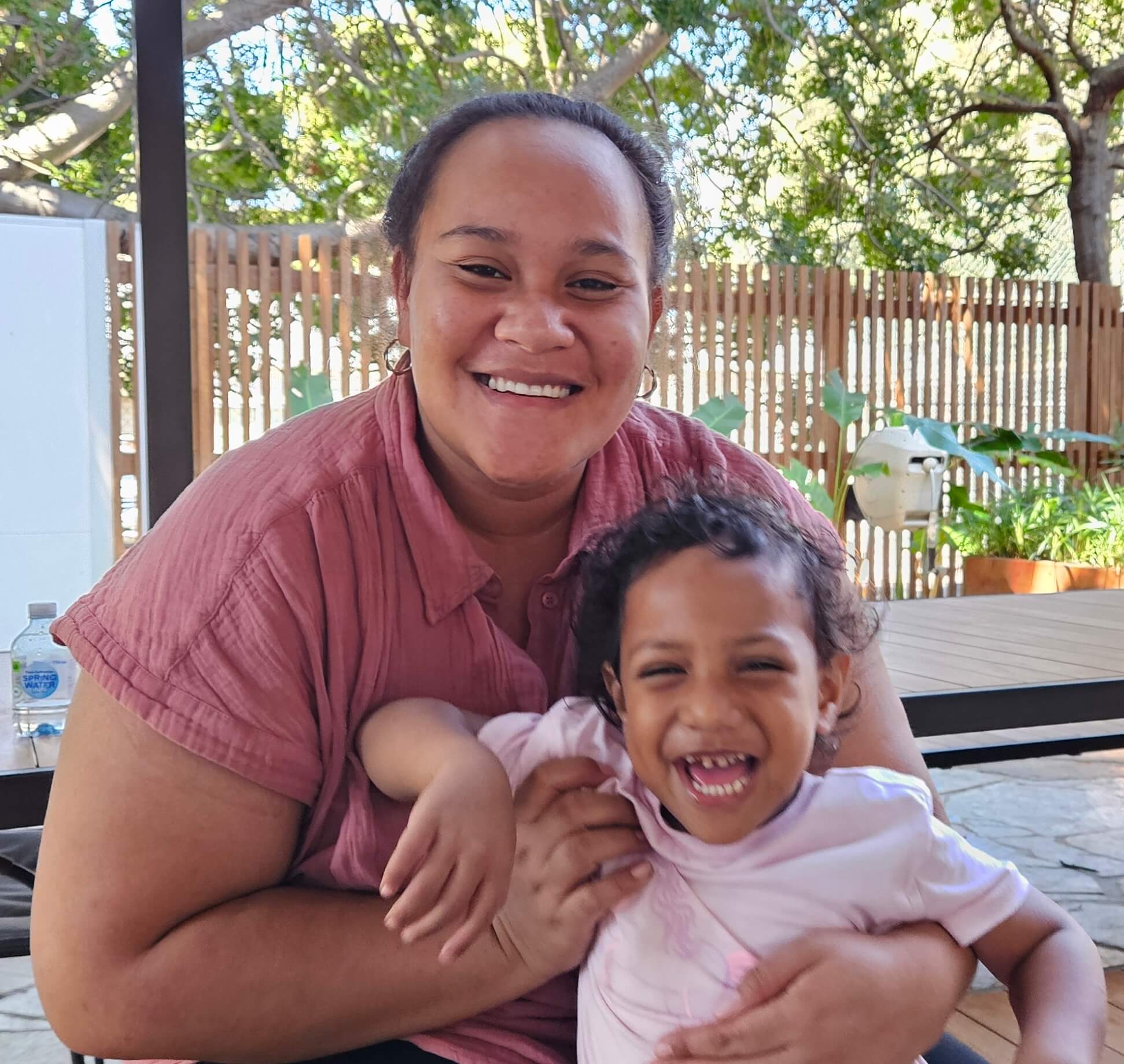
Three-year-old Melenaite from Tonga arrived back in Australia in September for more follow-up treatment.
Melenaite first came to Australia in mid-2022, arriving in the ACT at just seven-and-a-half-weeks-old for life saving surgery at the Canberra Children’s Hospital to remove a large sacrococcygeal teratoma (SCT), a congenital germ-cell tumour that develops in the tailbone region before a baby is born.
SCTs are the most common form of tumour found in neonates, occurring in 1 in 30,000 live births and predominantly in females. SCTs pose significant obstetrical challenges and usually require emergency surgical intervention. Because this condition can affect multiple systems in the body, it requires careful follow-up management for some years.
Since her initial surgery, ROMAC has brought Melenaite back to Australia four times for specialist reviews and imaging to monitor her progress. She is a brave little girl who has endured many medical procedures in her short life.
An MRI examination under general anaesthetic with oncologist Toby Trahair has revealed no significant changes since Melenaite’s previous MRI in December 2024, much to the joy of her mother Michelle. She will have further surgery and specialist follow-up appointments at the Sydney Children’s Hospital, Randwick, under the expert care of urologist Dr Sarah Giutronich and her team.
Meanwhile, Melenaite and Michelle can enjoy the hospitality of Ronald McDonald House, Randwick, and as usual, can rely on the support and care of members of the ROMAC Eastern Region Committee.
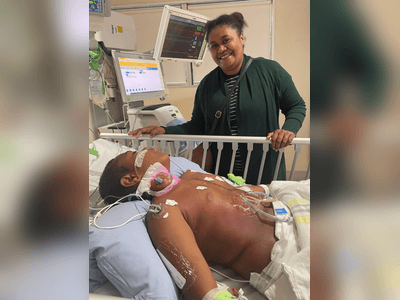
Brenden, aged 12, is recovering at Auckland’s Starship Children’s Hospital from successful heart surgery to repair damage caused by rheumatic fever.
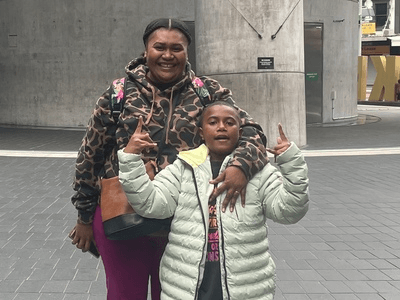
Brenden, aged 12, has been welcomed to Auckland for cardiac surgery needed as a result of rheumatic fever.
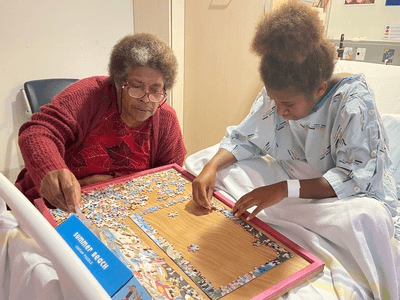
Keysha has returned home to Port Vila after successful heart surgery in Auckland.
Any donation you can make will help make treatment like this possible.